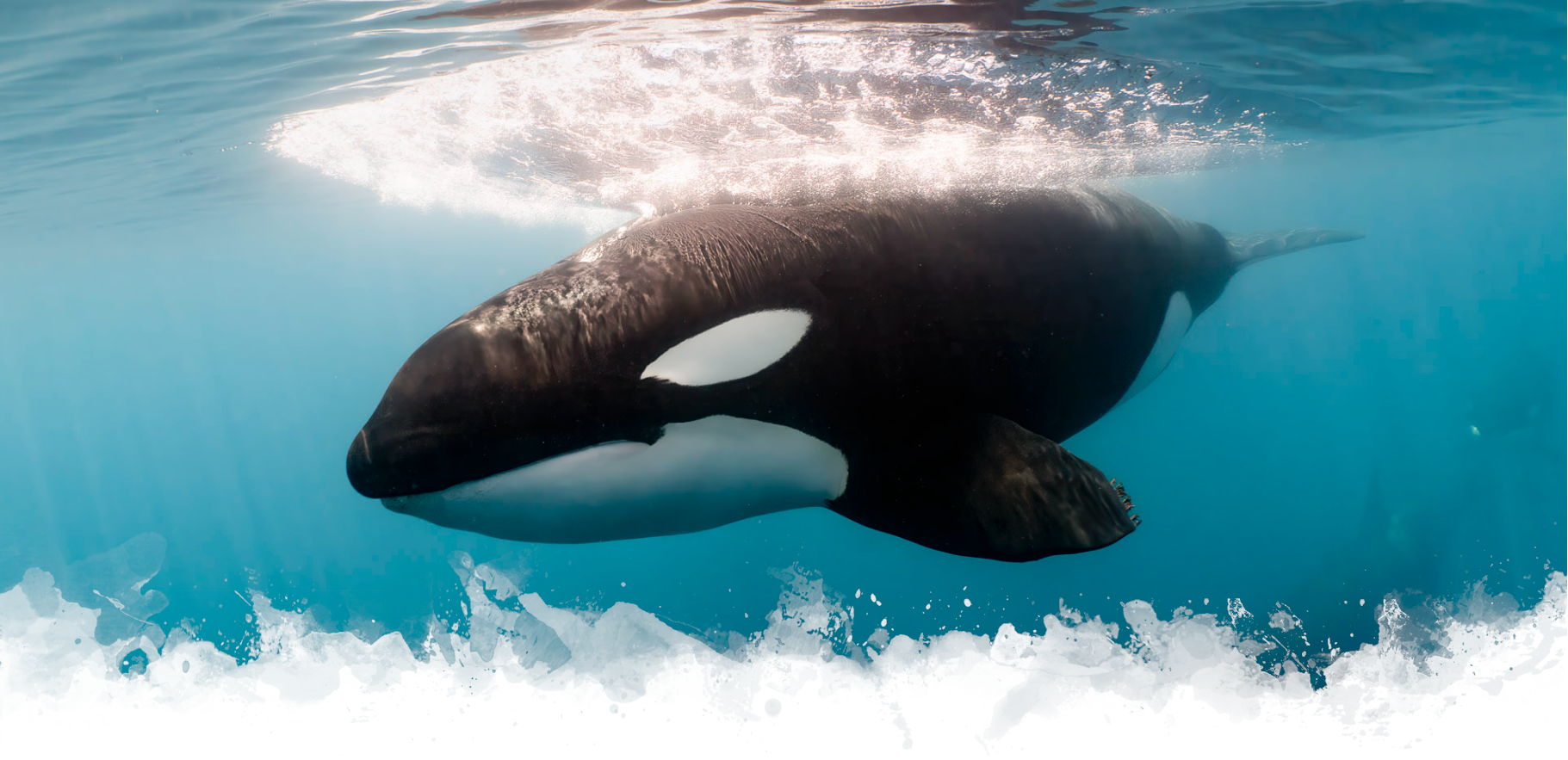
Orcas in the Cerralvo Channel, La Ventana, Baja California Sur

Season Update

La Ventana Is Open. Here's the Straight Answer on Orca Season.

Mexico didn't suspend swimming with orcas. A one-year pilot regulation reached the end date it was written with — in the off-season, exactly as designed.

If you've seen a headline claiming Mexico "suspended" swimming with orcas, and you're now wondering whether to hold off on booking Baja — read this first. It's a bad description of a routine event, and it's already cost a lot of people a good trip for no reason.

Start with where that headline came from. It began with an Instagram account with around 2,000 followers — no name attached to it, and no official standing of any kind. It was then picked up by a travel influencer who has been to Mexico once, on a tour, and used it as clickbait to pull traffic to her website. Neither of them lives or works in Mexico.

We do. And SEMARNAT has communicated to us that the program will renew.

This is simply how careful permitting works in Mexico, and it is a process we have real respect for. It is the same thorough process SEMARNAT has run for whale sharks, for sea lions, and for every other regulated wildlife activity in this country: a plan is issued, it runs its term, the operators file their reports, and the permits are renewed. Nobody who actually works these waters reads that as a closure, because it isn't one.

On the water, right now

Orca swims are not suspended. We have been in the water all season.

Right through the period the headlines called a shutdown, we were finding orcas and getting people in with them.

August 202617orca days logged
September 20263orca days logged so far

Last updated 7 September 2026

The people writing these "articles" are not authorities on any of this. They don't work in Mexico and they have no idea what they are talking about. We have been running this tour for over nine years. We live in Mexico, we operate Mexican companies, and we are in contact with SEMARNAT on a weekly basis.

Here's the real situation, and why you should book your season now.

What happened: a pilot program hit its scheduled end date

In August 2025, SEMARNAT made Mexico the first country in the world to formally regulate orca swimming. SEMARNAT published a management plan covering the waters around La Ventana, Isla Cerralvo and Ensenada de Muertos, and wrote it as a one-year pilot ending 31 July 2026, with every permitted operator required to file a full season report afterward.

That date came. The reports are in. The program is in renewal.

This was in the plan from day one. It's not a ban, it's not a scandal, and it's not a surprise to anyone working these waters. It's a well-designed regulation doing exactly what it was built to do: run a season, gather the data, come back stronger.

The detail the headlines missed

The plan expired at the end of a season, not in the middle of one. Our orca season runs May through August. The 2026 season ran to completion under the management plan, precisely as intended. The next season doesn't begin until May.

New permits are expected by the end of this year — months before anyone steps on a boat. There is no season being interrupted here. There is a renewal happening in the off-season, which is exactly when you would want it to happen, and exactly how SEMARNAT designed it.

La Ventana never closed. It isn't closed now.
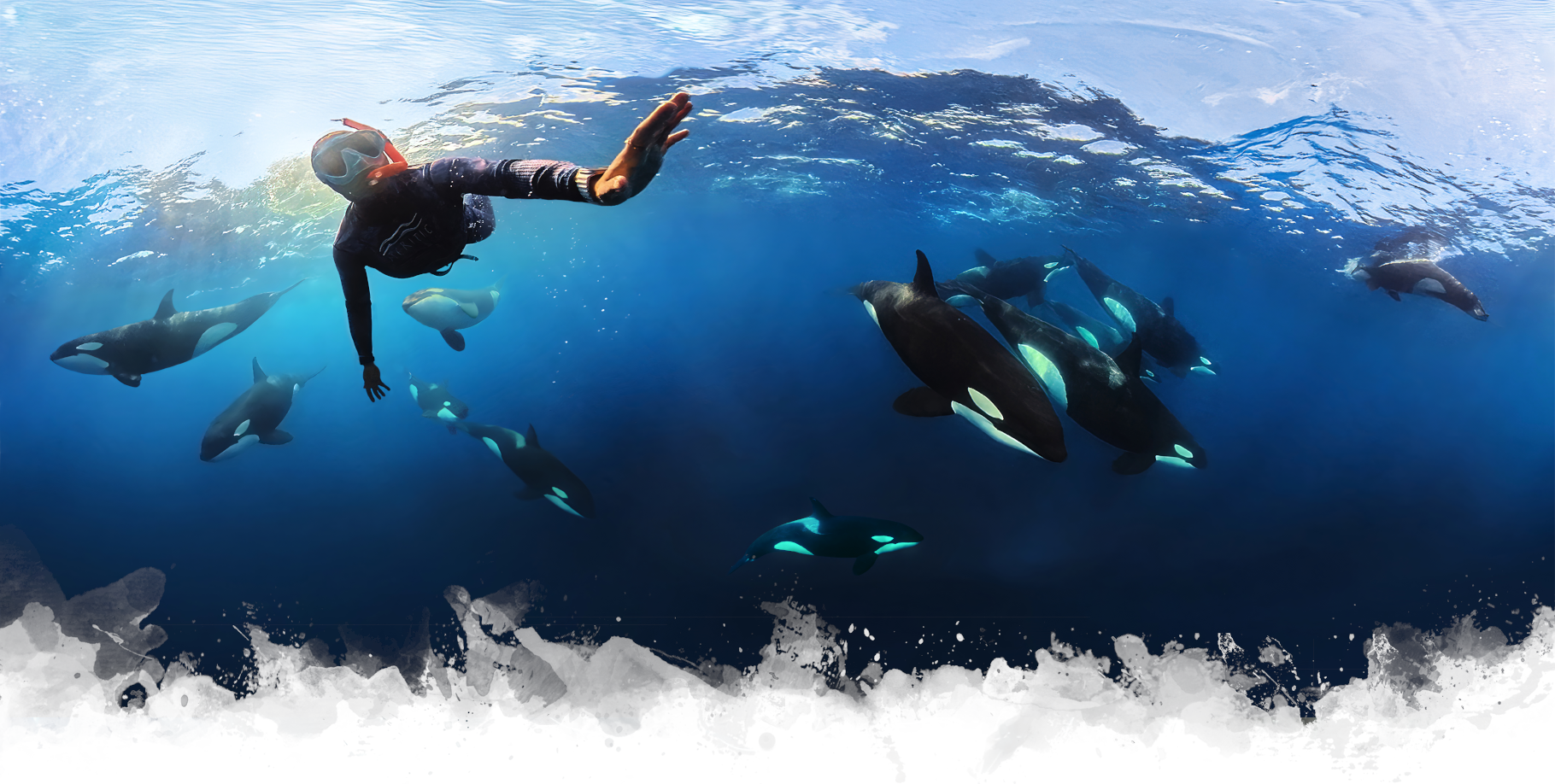
The Cerralvo Channel, Baja California Sur

The orcas don't know the date. The channel doesn't change.

And none of this started with a permit

It's worth remembering what the last year actually was, because the coverage has it backwards. In-water encounters with orcas were already taking place in Mexico well before 2025. The pods were here, the water was open, and it was going on — which is precisely what created the need for a rulebook in the first place.

SEMARNAT saw an activity that had grown big enough to need structure, and gave it exactly that — thoughtfully, thoroughly, and ahead of every other country in the world.

That is the whole story of the management plan: a carefully written rulebook for something already underway, and it made Mexico the global leader on this overnight. Caps, distances, a limit on how many people go in, a requirement to log what you saw. Which is exactly why the plan reaching its end date doesn't erase anything. The orcas don't know the date. The channel doesn't change. The framework is simply between versions, and the next one will be stronger for it.

We say that as the people who pushed for the rules in the first place — we want SEMARNAT's framework back, and stronger still, because the years before it weren't good enough for the animals. But don't let a headline convince you that a Mexican orca season is some fragile new invention that just got switched off. It has been happening here for a long time, and it will keep happening here long after this renewal is signed.

Where the rules apply — and where we actually run

One thing worth being precise about: the management plan governs a defined managed area. That is the stretch of water where the boat traffic concentrates, and it is exactly where a plan belongs. Inside it, on a good sighting, you can end up with twenty or more boats sitting on a single family of orcas.

We think it's great that there's a plan for that area. We also do everything we can not to be part of the crowd it exists to manage.

Ours are long-range tours. The whole approach is to go and find orcas away from the boats — and when we're on a pod that's drawing traffic, we'll lock in some drops for our group and then wait, often four or five hours, until the crowd thins out and we can get in the water properly.

August 2026 on the water

We logged 17 orca days in August. Operators were still running successfully all month, right through the period the headlines described as a shutdown.

It was never only about the orcas

Jacques Cousteau called the Sea of Cortez "the world's aquarium," and he was underselling it. There is no body of water on the planet that concentrates marine megafauna like this one — nowhere else where the largest animal that has ever lived, the ocean's apex predator, and the densest ray aggregation on earth all move through the same channel in the same season.

Our numbers say it plainly. In 2025, 99% of our sea days produced sightings — not 99% of weeks, 99% of days. Across that season we logged 280+ encounters and documented 24+ species.

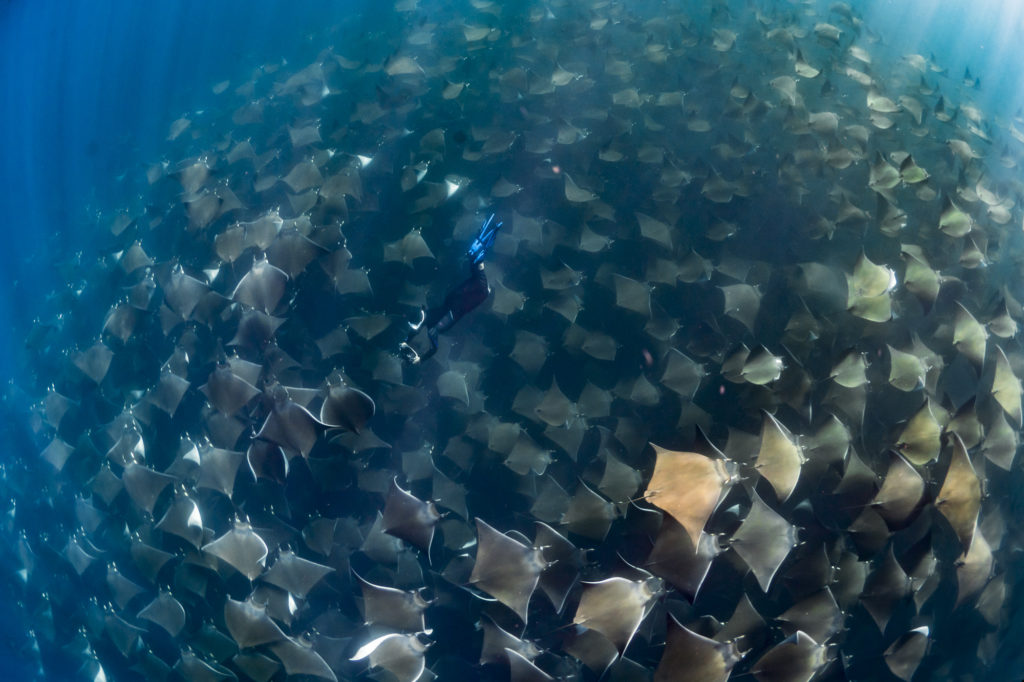
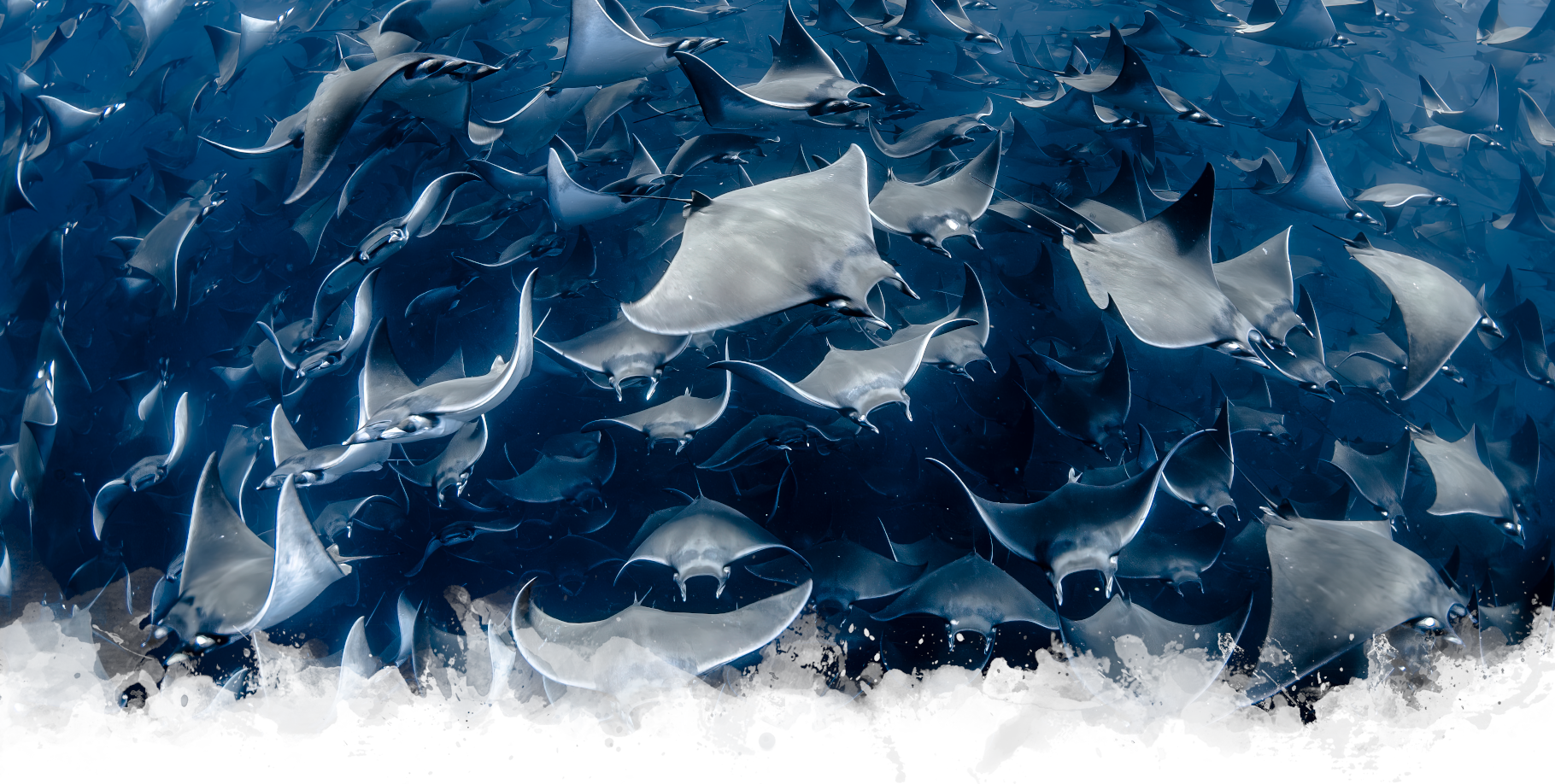
Mobula rays massing in Baja California Sur, Mexico
Mobula rays aggregate in the Cerralvo Channel in their thousands through May and June — the densest gatherings of their kind anywhere on earth.

The great whales

Blue whales — the largest animal ever to exist, a Baja spring specialty. Fin whales, the second-largest animal on earth, sleek and fast and surprisingly close. Humpbacks: mothers with calves, breachers, feeding giants. Bryde's whales traveling with young calves. Sperm whales in numbers almost nobody sees — we logged 40 in a single day. Pilot whales in pods of 100 or more. And rarities most divers will never lay eyes on: false killer whales, and Baird's beaked whales up from the deep.

Sperm whales at the surface
Sperm whales travel in groups here. We logged forty in a single day in 2025.

Dolphins by the thousand

Bottlenose and common dolphins running the bow in superpods. Spinners and pantropical spotted dolphins turning the surface over. Risso's dolphins, deep-water squid hunters, mixed in among them.

Sharks, rays and giants

Whale sharks past 35 feet, met in open blue water. Silky sharks, 50 or more at a time, circling in the blue. Schooling adult hammerheads so rare we filmed them by drone. Oceanic mantas the size of the boat, in encounters that run for hours. Mola mola — 2,000 pounds of ocean sunfish drifting up from the dark. And the chaos: marlin slicing through bait at full speed, bait balls with sea lions, dolphins and seabirds all working at once, and the sea lion colony at La Reina in water like glass.

Logged in the channel

  • Blue whalesThe largest animal that has ever lived. A Baja spring specialty.
  • Fin whalesThe second-largest animal on earth — sleek, fast, surprisingly close.
  • Sperm whalesSometimes in large groups. Forty in a single day in 2025.
  • Pilot whalesLarge pods, sometimes 100 or more.
  • Whale sharksGentle giants past 35 feet, met in open blue water.
  • HammerheadsRare schools of adults — so unusual we filmed it by drone.
  • Oceanic mantasRays the size of a boat, in encounters that run for hours.
  • Silky sharksFifty or more at a time, circling in open blue water.
  • Dolphin superpodsBottlenose and commons by the thousand, riding the bow.
  • Mola molaTwo thousand pounds of ocean sunfish, drifting up from the deep.
  • MarlinJumping, hunting, slicing through bait at full speed.
  • Sea lionsThe colony at La Reina, in water like glass.

Six full sea days. Seven to twelve hours on the water every one of them. Five or six guests on the boat, 400+ litres of fuel aboard so we can run wherever the ocean is happening. This is not a day trip with a photo stop. It is a proper expedition into the richest megafauna water in the world.

The 2025 season, by the numbers

99% of our sea days produced sightings in 2025
88%of weeks found orcas in 2025
85%of our tours got in the water with orcas — the highest success rate in the region
24+species documented across the season
280+encounters logged in 2025
5.0average rating from 174 verified reviews
5–6guests per boat, never more

Figures from our own logged 2025 season. Wildlife is wildlife — these are our records, not a promise about any single week.

And we find the orcas

We've been logging this channel season after season, and the record is public:

  • 13–14orca days per month on average across the 2024 and 2025 seasons
  • 5orca days in our best week on record — 1–7 June 2025
  • 20+orcas in our largest single encounter: two pods together, 5 June 2025
  • 200+known orcas in roughly 20 families working the Sea of Cortez

We run dedicated offshore scouting teams in real time, so our captains know where the pods are before we commit the day. This is their water. It's why the world's first orca management plan was written here and not somewhere else.

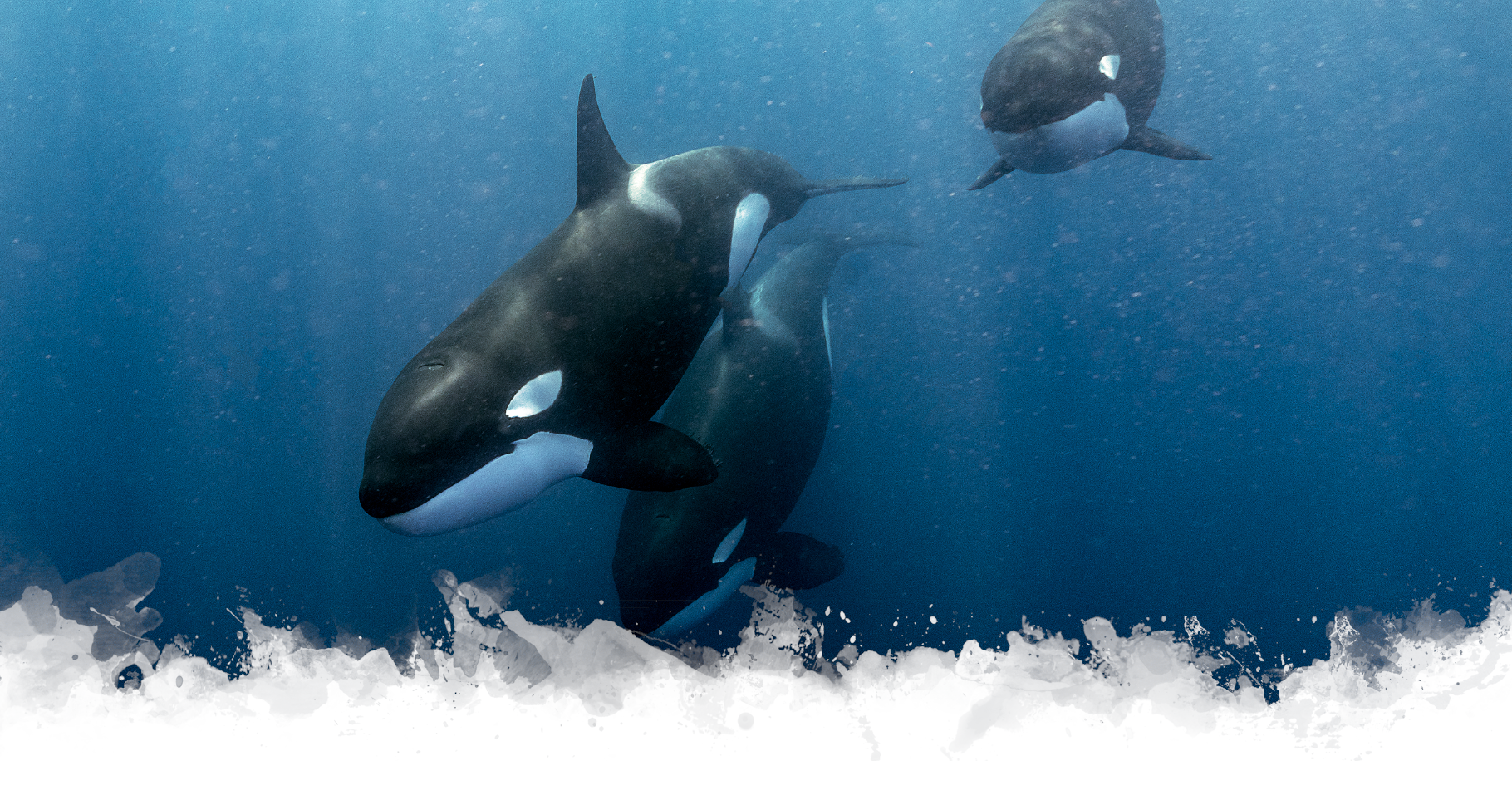
Orcas in the Sea of Cortez
Orcas in the Cerralvo Channel. Our largest single encounter on record came on 5 June 2025 — two pods together, more than twenty animals.

Book early — the real constraint isn't paperwork

It's capacity. The management plan caps the entire region at 24 boats per day, no exceptions, regardless of how many whales show up or how many people want to go. Prime season dates go long before the season does. That cap isn't changing under any version of the rules, so the people who book now are the people who go.

Why we're confident, and why you can be

Because we wanted these rules.

Before the management plan, this channel was a free-for-all. Anyone with a boat could chase a pod, as close and as often as they liked. That was bad for the whales and unsustainable for anyone running a serious operation.

What SEMARNAT replaced it with is strict, and we backed it: 24 boats a day maximum, GPS tracking on every hull, five people in the water at a time, hard distance limits, entries alongside the animals instead of in front of them, two boats maximum with any pod, no touching, no feeding, no pursuit.

Operators here fought for that framework, and we want it renewed and strengthened — because Baja California Sur went first on this and has every reason to stay first. A review period is a system taking itself seriously: SEMARNAT doing the job properly, which is exactly what you want from the people managing the water you're about to swim in.

There is also a straightforward economic reality behind all of this. Entire villages now depend on this work. Local fishermen and operators have invested in new boats and new engines specifically for this activity, and SEMARNAT has been mindful of those families and the towns that live off them from the very beginning. Protecting those local economies is part of what the plan was written to do, and they have never lost sight of it.

They also recognised early that this activity was going to grow, and chose to get ahead of it rather than wait. That foresight is precisely why they will keep issuing permits and keep regulating it — a permitted activity is one they can steward, count and protect. An unpermitted one is not.

The bottom line

La Ventana is open. The season is on. The boats are running, as they always have.

A pilot regulation reached its planned end date and is being renewed, with new permits expected before the season starts. Meanwhile the mobulas, the whales, the sharks, the pods and the channel itself are all exactly where they've always been.

Book your dates

2027 and 2028 expeditions are open now. Five or six guests, six full sea days, the richest megafauna water on earth.

Check availability Questions about permits or dates? Ask us directly — we'll tell you exactly where things stand on the day you ask.

Management plan details — its validity dates, the 24-boat daily cap and its operational limits — are drawn from SEMARNAT's published Plan de Manejo Tipo for Orcinus orca in La Ventana and contemporaneous Mexican press coverage.

The expectation of permit renewal by year-end reflects the view of permitted La Ventana operators and has not been confirmed by SEMARNAT. Sighting and success figures are from our own logged season records.