
Small groups. Expert captains. Unforgettable encounters.
We exist for one reason: to get you in the water with orcas in the Sea of Cortez, with the most experienced team in the region and a deep respect for the wildlife we share the water with.
Get you in the water with orcas, at least once in your six water days.
Many trips deliver multiple in-water encounters. Our 85% in-water success rate is the best in the region, and it is built on experience, dedicated scouting, and an unwavering commitment to ethical, respectful wildlife encounters.
A premium, expert-led expedition
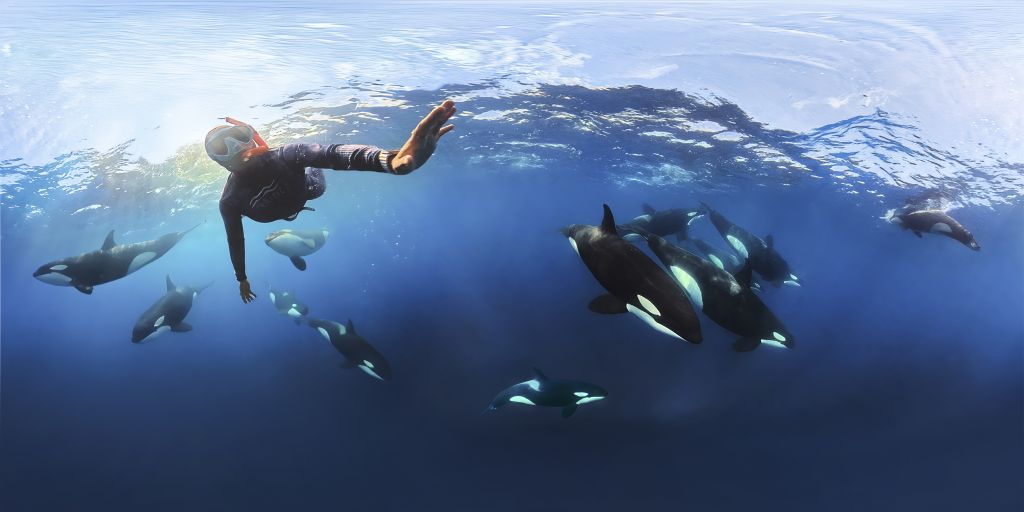
In the water with orcas, not watching from a crowded boat at a distance. You won't find a better operator in the area. Here is what sets us apart.
85% in-water success rate
The highest in the region. Most trips deliver multiple in-water encounters.
Dedicated offshore scouting
Scouts work the water in real time, tracking orcas and other megafauna and getting us to the action faster.
Small groups of 5 or 6
Intimate and safe. Plenty of room in the water, no jostling, no rushed rotations.
The most experienced team
La Ventana's top captains: decades of local knowledge of every corner of the bay and every orca family.
7–12 hours on the water
No time limits. We stay out as long as the wildlife keeps giving. The ocean writes the script.
Custom-built for long days
A boat designed for this expedition, with marine bean bags, shade and space to relax between encounters.
Wildlife first, always
Ethical, respectful, never invasive. We follow the wildlife's lead, which is why the orcas keep returning.
Full transparency
Every species, every day, in a public sightings log. Check it before you book.
"The world's aquarium"
Jacques Cousteau's words, not ours. One of the most biodiverse seas on earth, and we have spent years learning its rhythms.
Everything for the trip of a lifetime
Included
- 7 nights accommodation and 6 sea days
- 6 full days on the water, 7–12 hours each
- All charters aboard our custom expedition vessel
- Real-time offshore scouting support (Monday–Friday)
- Expert local captain and crew
- High-end accommodation in La Ventana
- Breakfast and lunch daily on the boat
- Bottled water, sodas and refreshments
- Airport transfers
- Marine bean bags and shade on board
- Welcome briefing and daily pre-trip planning
Not included
- International and domestic flights
- Dinner ($25 USD pp, private chef)
- Snorkel gear, mask, fins and wetsuit (rentals available)
- Travel insurance (required)
- Alcoholic beverages
- Personal expenses and gratuities
- Activities outside the scheduled expedition days
Inclusions may vary by package. Check your booking confirmation for the exact details of your trip.
A resident population you can swim with
Few people know that Mexico's Sea of Cortez is home to one of the most remarkable orca populations in the world. Warm, tropical seas, abundant prey and a unique ecosystem make this one of very few places on earth where in-water orca encounters are possible safely and ethically.
Alongside the orcas, our guests have witnessed one of the most diverse collections of megafauna on the planet, from the largest animal ever to exist to rare deep-water species few people ever see.
Usually about once a week, sometimes less, sometimes more. These are wild animals on their own schedule, which is why we stay out 7–12 hours a day, and why the Sea of Cortez's other wildlife fills the days in between.
The full cast, all photographed by our team
Every species below has been documented in our sightings log in recent seasons.
Orcas and whales
Dolphins
Rays and sharks
Other wildlife
The wildlife writes the script
Every day is different, but here is the rhythm you can expect.
Early morning launch
On the water before the wind picks up. Coffee, briefing, and a plan built on overnight intel and first scouting passes.
Offshore scouting
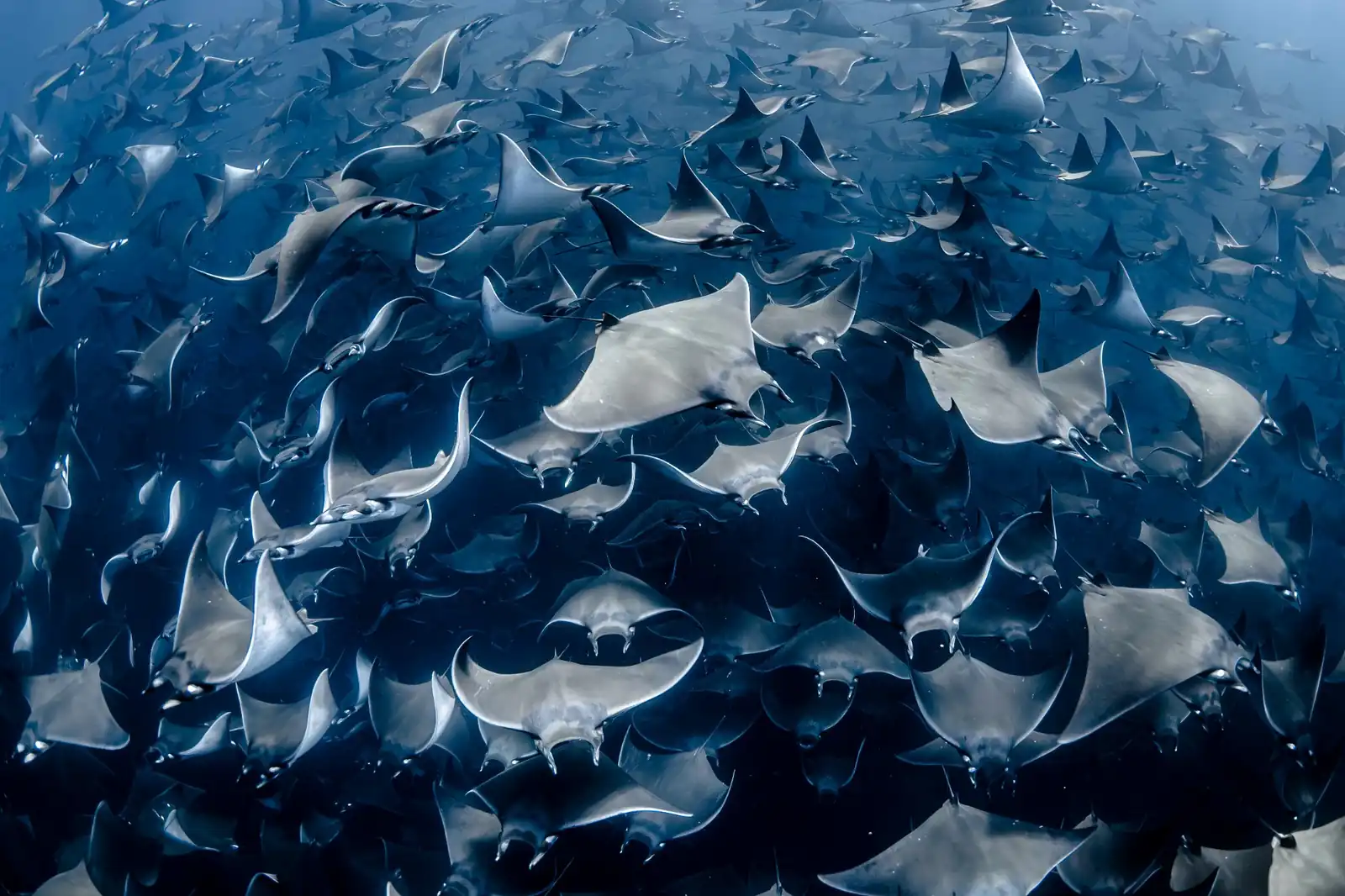
Scouts radio in orca pods, whales, bait balls and mobula fevers so we can move to the action fast.
Finding the animals
Our scouts and local captain knowledge often locate wildlife in the first hour or two. Then we read behaviour and wait for the right moment.
In-water encounters
When it is safe and the wildlife is receptive, small teams slip in with mask, snorkel and fins. No scuba, just quiet freediving alongside the animals.
Multiple species, multiple moments
Even without orcas, the Sea of Cortez delivers: mobulas, whales, dolphins, sharks, mantas and sea lions.
Return to shore
Seven to twelve hours out, depending on the day. You come back sun-kissed, salt-crusted and changed by what you saw.
May through August
Every month brings its own magic. See our daily log for what we have been seeing this season.
May
Peak mobula ray aggregations, the best blue whale month, and dramatic orca encounters.
June
Super-pods of pilot whales, whale sharks and giant mantas.
July and August
Peak orca frequency, with orca days at their most reliable and the sea still full of surprises.
Orca encounter days per month, by year
Every number is the count of days in that month we encountered orca, not the number of orca and not the number of sightings in a day. Peak orca activity consistently lands in July and August. As a rule of thumb, we have orca encounters on 7–12 days per month in May and June, climbing to 11–18 days per month in July and August.
Each figure is the number of days that month with a confirmed orca encounter (e.g. "16" means we found orca on 16 separate days). Bars are scaled to 20 days.
Ready to swim with orcas?
Small groups fill up fast. Book early and trust the Sea of Cortez to deliver the trip of a lifetime.
Plan your expedition